

We investigate, manage, and rehabilitate contaminated sites with technical assurance and regulatory compliance.
We follow the applicable regulatory hierarchy (CONAMA, CETESB, and state agencies) to investigate, assess risk, and define the appropriate interventions. Our focus is to provide legal and environmental assurance for the reuse of sites.
Services in this area.
Preventive monitoring program
Ongoing monitoring for the early detection of potential contamination.
Preliminary environmental assessment
Identification of contamination sources and indicators based on historical and field data.
Confirmatory environmental investigation
Confirmation of the presence of contamination through sampling and laboratory analysis.
Detailed environmental investigation
Delineation of the contamination plume and characterization of the physical environment.
Human health risk assessment
Quantification of risks and definition of risk-based remediation targets.
Studies of alternatives and intervention plans
Selection of the most technically and economically suitable remediation technique.
Management of remediation projects
Coordination of the execution of remediation interventions in the field.
Monitoring of remediation system efficiency
Verification of system performance until the targets are met.
A four-step approach
Every project goes through the same four steps, adapted to the complexity and regulatory context of each development.
Understanding
We map the demand, the regulatory context, and the project's risks.
Diagnosis
We gather field data and the necessary technical basis.
Solution
We develop the technical approach suited to each case.
Oversight
We manage the process before the agencies and in the field through completion.

Related technical analyses.
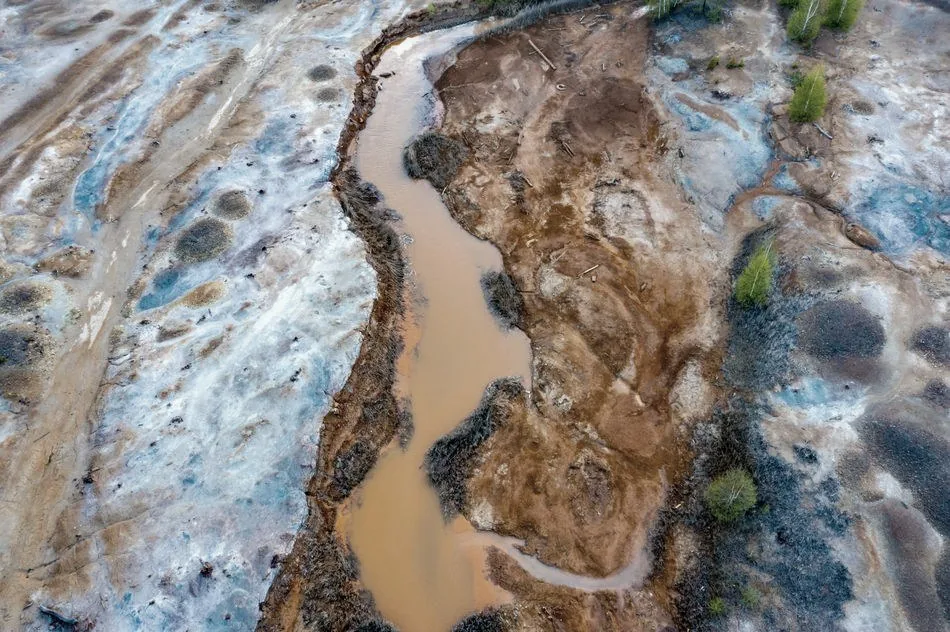
Multi-Incremental Sampling: greater representativeness, less variability
A comparative study of Discrete Sampling and Multi-Incremental Sampling in an area contaminated by municipal solid waste shows that the ITRC (Interstate Technology and Regulatory Council) protocol produces more consistent concentration estimates, at lower analytical cost.

The method used to preserve soil samples for VOC determination can define the future of a site
Experimental evidence shows that the sampling protocol explains more variability in the recovery of Volatile Organic Compounds (VOCs) than soil texture itself, with direct implications for analytical results and for Contaminated Land Management decisions. The study compared three soil matrices under controlled, known contamination, isolating the effect of the sample collection, preservation, and transport method on the final concentration measured in the laboratory. The findings reinforce that the choice of sampling protocol can significantly alter the conclusion about the extent and severity of contamination.

Emerging contaminants in environmental due diligence: the risk can arise before the regulation
Why PFAS and other substances outside conventional analytical packages are already beginning to influence investigations, acquisitions, and decisions about industrial assets.