

Technical analyses and updates.
Technical analyses produced by our team on the topics driving environmental permitting and management in Brazil.
Technical content to support decisions across the project.
We share analyses, case studies, and critical readings on permitting, contaminated land, water resources, urban mobility, and environmental management. The aim is to translate complex technical topics into clear, applicable content that helps guide safer decisions at every stage of a project.
Technical articles and analyses.

Sediment translocation: a successful annual fish conservation project
Two years of monitoring confirm it: sediment translocation with an egg bank restored three threatened annual fish populations after the drainage of a temporary wetland, with results published in the journal Restoration Ecology.
Multi-Incremental Sampling: greater representativeness, less variability
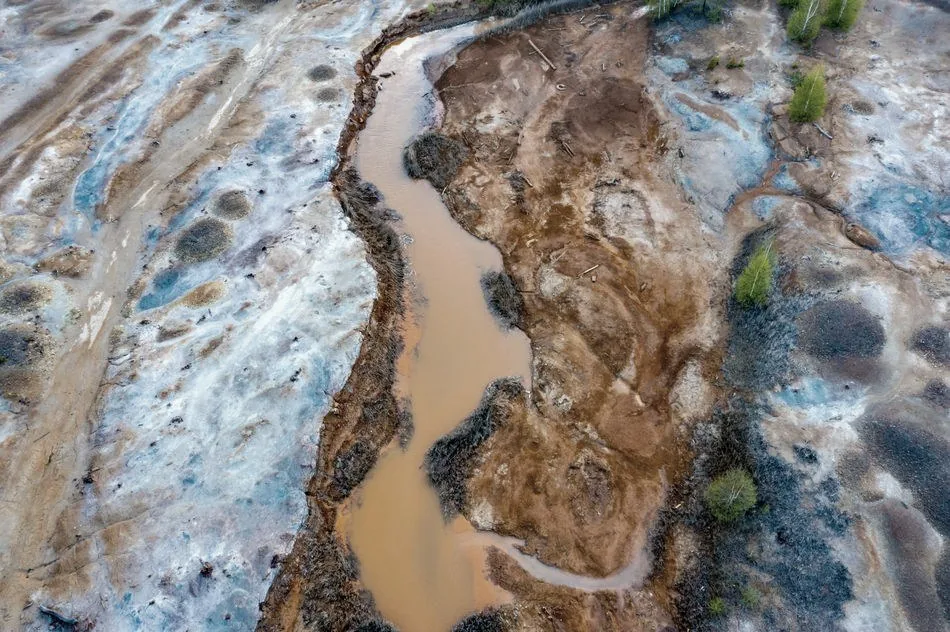
A comparative study of Discrete Sampling and Multi-Incremental Sampling in an area contaminated by municipal solid waste shows that the ITRC (Interstate Technology and Regulatory Council) protocol produces more consistent concentration estimates, at lower analytical cost.
The 2024 floods and the responsibility to revise cities’ hydrological references
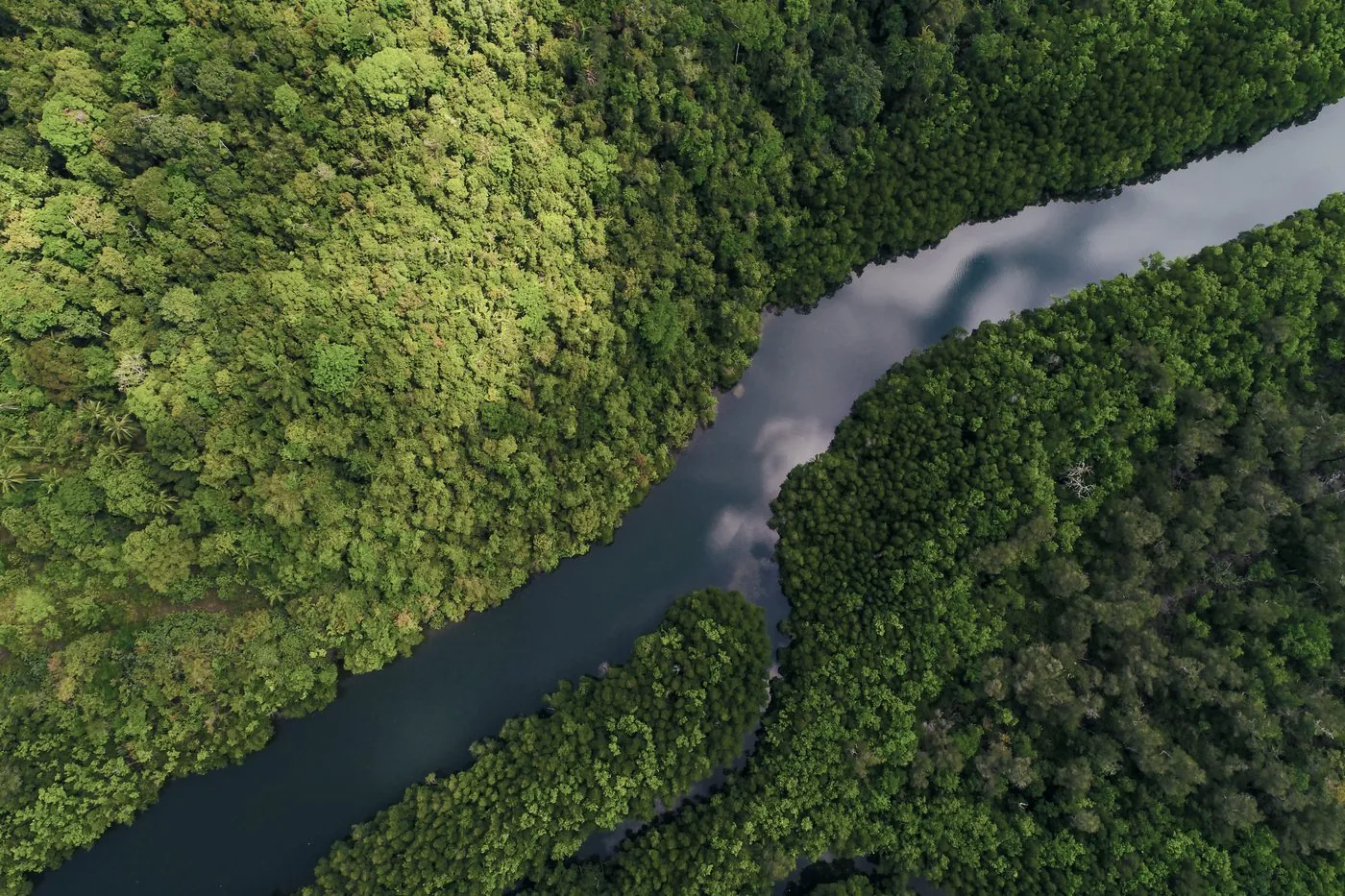
The 2024 floods in Rio Grande do Sul tested data, models, and infrastructure all at once. Understand when and how to technically revise a hydrological reference, without turning an isolated event into a new universal rule.
The method used to preserve soil samples for VOC determination can define the future of a site
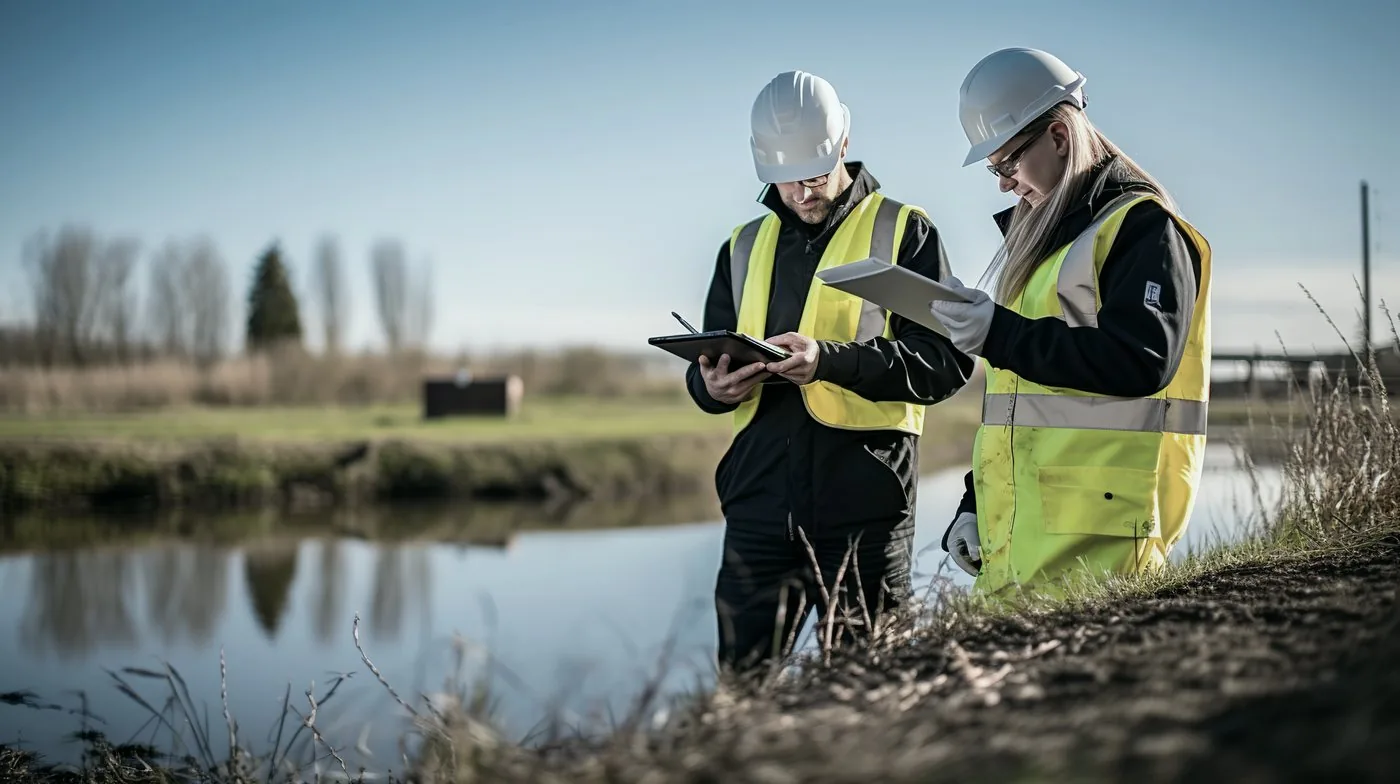
Experimental evidence shows that the sampling protocol explains more variability in the recovery of Volatile Organic Compounds (VOCs) than soil texture itself, with direct implications for analytical results and for Contaminated Land Management decisions. The study compared three soil matrices under controlled, known contamination, isolating the effect of the sample collection, preservation, and transport method on the final concentration measured in the laboratory. The findings reinforce that the choice of sampling protocol can significantly alter the conclusion about the extent and severity of contamination.

The city has changed, but have traffic studies kept up?
Hybrid work, deliveries, ride-hailing apps, and micromobility challenge diagnoses based on a single peak hour and call for a broader reading of urban mobility.

The new General Environmental Permitting Law: what changes, and what may still change
Law No. 15.190/2025 created national rules, new modalities, and deadlines, but its practical application still depends on local classification and on the outcome of the constitutional review.

Mitigating legal risks and environmental due diligence
How technical evidence, information gaps, and contractual mechanisms guide acquisition, financing, and investment decisions, in a system where the obligation to remediate can follow the property even after a sale.

When the environment enters the balance sheet
How environmental risks can affect provisions, asset values, cash flows, credit, and insurance. Sustainability disclosure is not the same as accounting recognition, and confusing the two leads to flawed decisions.
Emerging contaminants in environmental due diligence: the risk can arise before the regulation
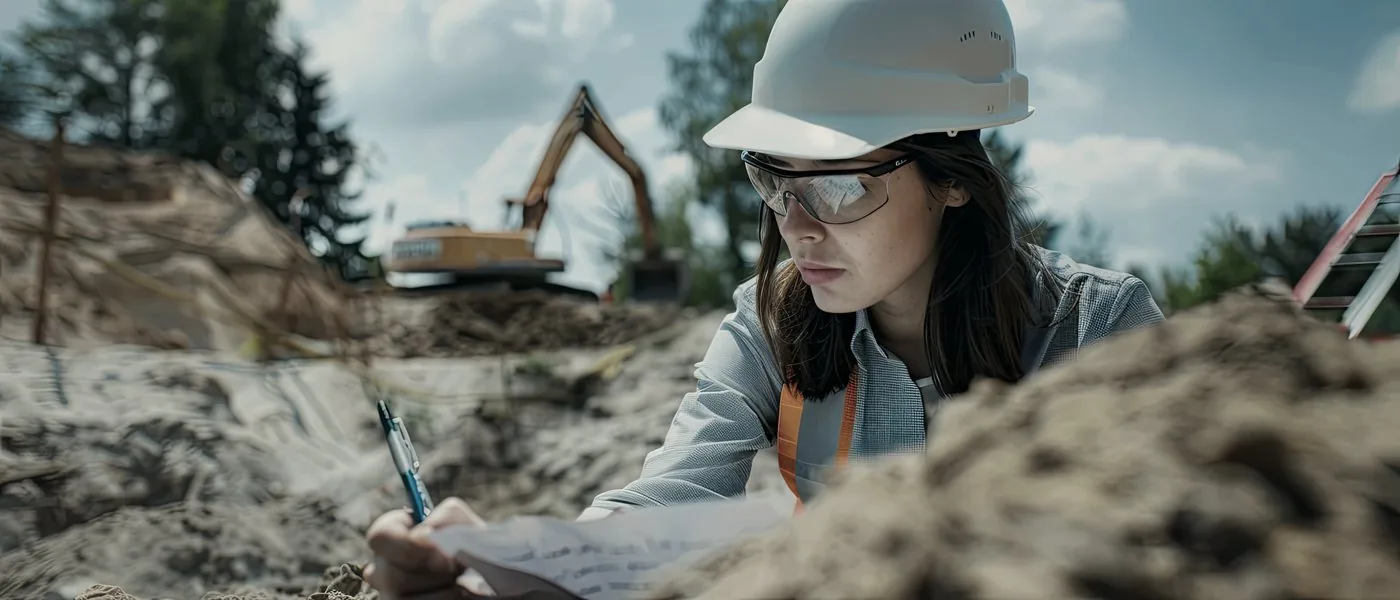
Why PFAS and other substances outside conventional analytical packages are already beginning to influence investigations, acquisitions, and decisions about industrial assets.
From baseline to license: what makes an environmental study technically defensible
An environmental study does not become defensible by amassing many maps and field campaigns. Its quality depends on connecting data, impacts, measures, and follow-up in a traceable chain of reasoning.

The street that also drains: how urban design can reduce flooding
Rain gardens, bioretention, permeable pavements, and multifunctional spaces only work when hydrology, mobility, landscape, and maintenance are designed together, not as isolated pieces.

From road diagnosis to microsimulation: the benefits of modeling for decision-making
How calibrated and validated models make it possible to test alternatives before construction, and why a good animation is not enough to make a traffic study technically defensible.
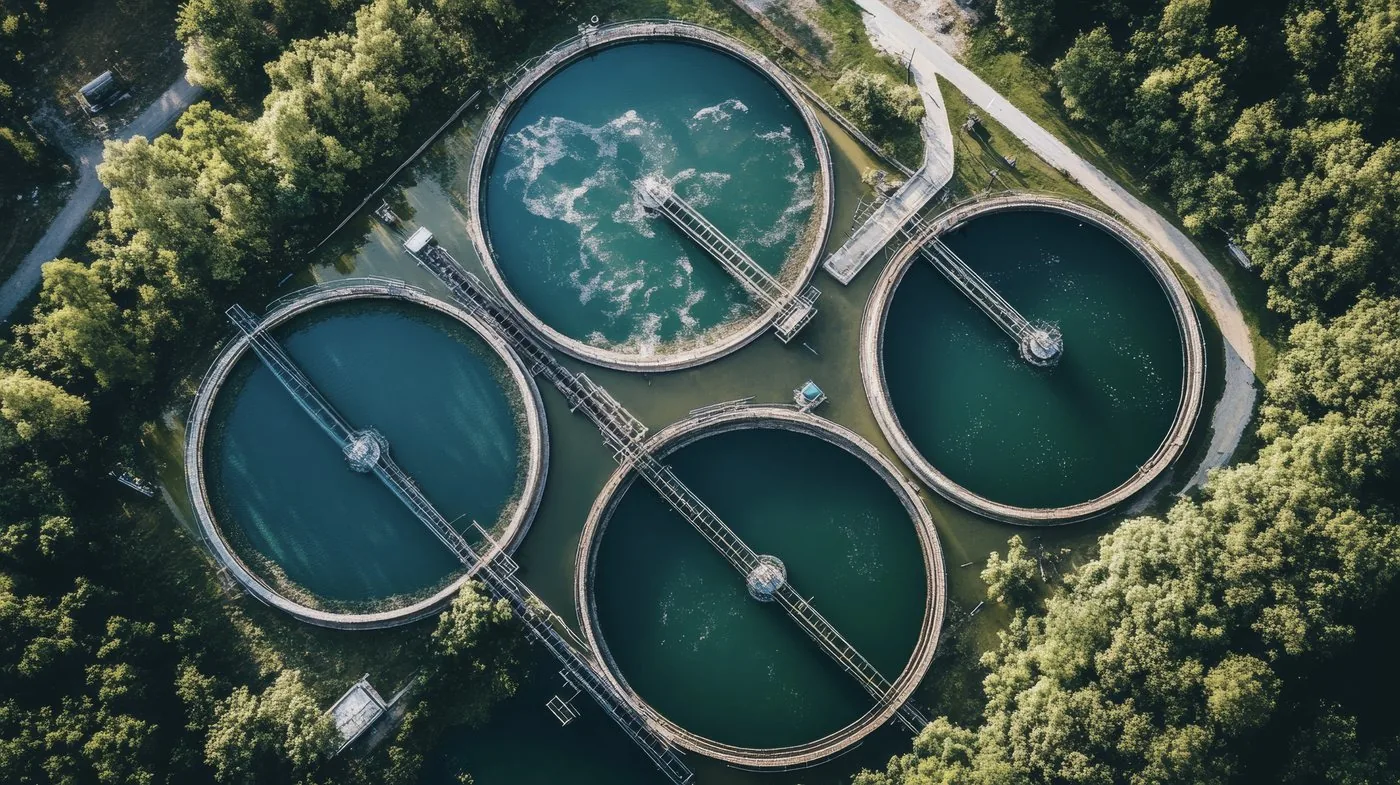
From effluent to receiving water body: how self-purification studies guide decisions on treatment and discharge
Meeting the effluent standard at the discharge point is not enough when the class, uses, critical flow, and cumulative effects of the receiving water body are not assessed.