
Large projects demand more than technical knowledge.
They demand the ability to understand how environmental, regulatory, urban planning, and land-use factors interact and shape a project's implementation and operation.
That is why we bring together specialists from different disciplines to build consistent analyses, integrate multiple perspectives, and develop strategies suited to the reality of each project.
Beyond producing studies, we aim to deliver technical assurance, predictability, and solid foundations for every stage of the project.
Get to Know LZ →What Guides Our Work.
Strategy
Every project has its own constraints, risks, and objectives. Before defining any solution, we work to understand the context and structure the most appropriate technical strategy for each situation.
Integrated View
Environmental issues can rarely be analyzed in isolation. We integrate different disciplines to understand the project as a whole and build more consistent analyses.
Independence
Our recommendations are built on technical criteria, evidence, and applicable legislation. This stance ensures impartial analyses and strengthens the credibility of our work.
Partnership
We support our clients throughout the different stages of a project, providing continuous technical support whenever new challenges, regulatory changes, or project needs arise.
Solutions for complex regulatory challenges.

Urban Viability & Mobility
We assess the impacts developments can have on urban centers and develop technical solutions to improve mobility and quality of life in cities.
View solution →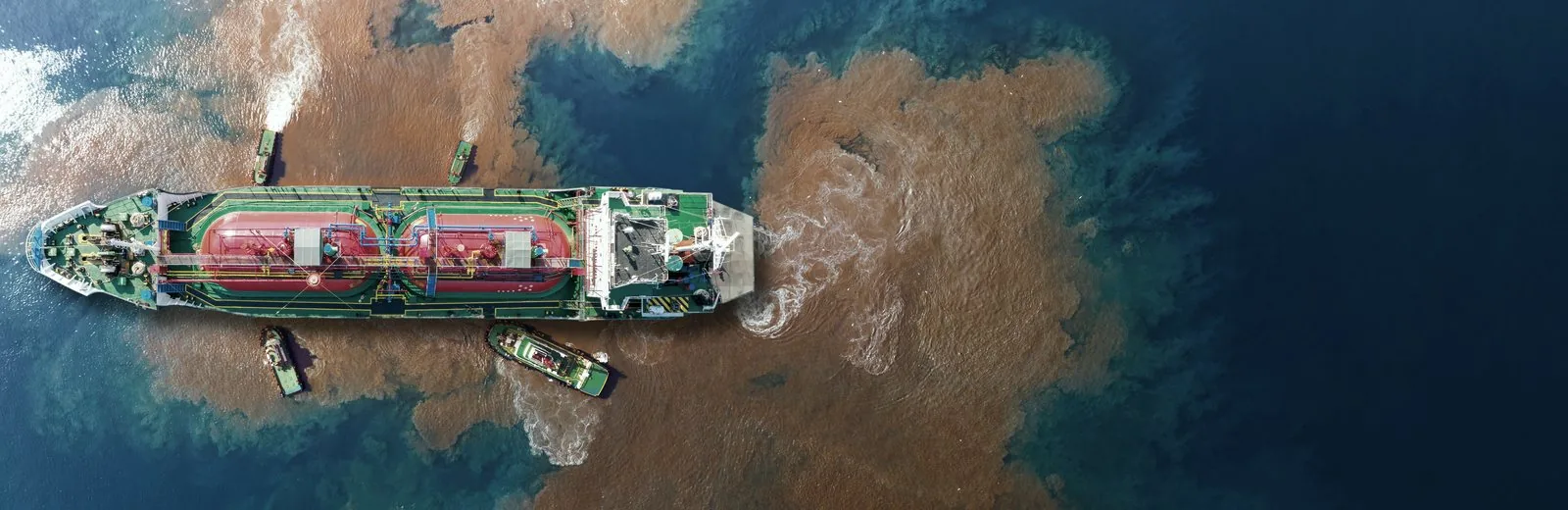
Site Remediation
We investigate, manage, and rehabilitate contaminated sites with technical assurance and regulatory compliance.
View solution →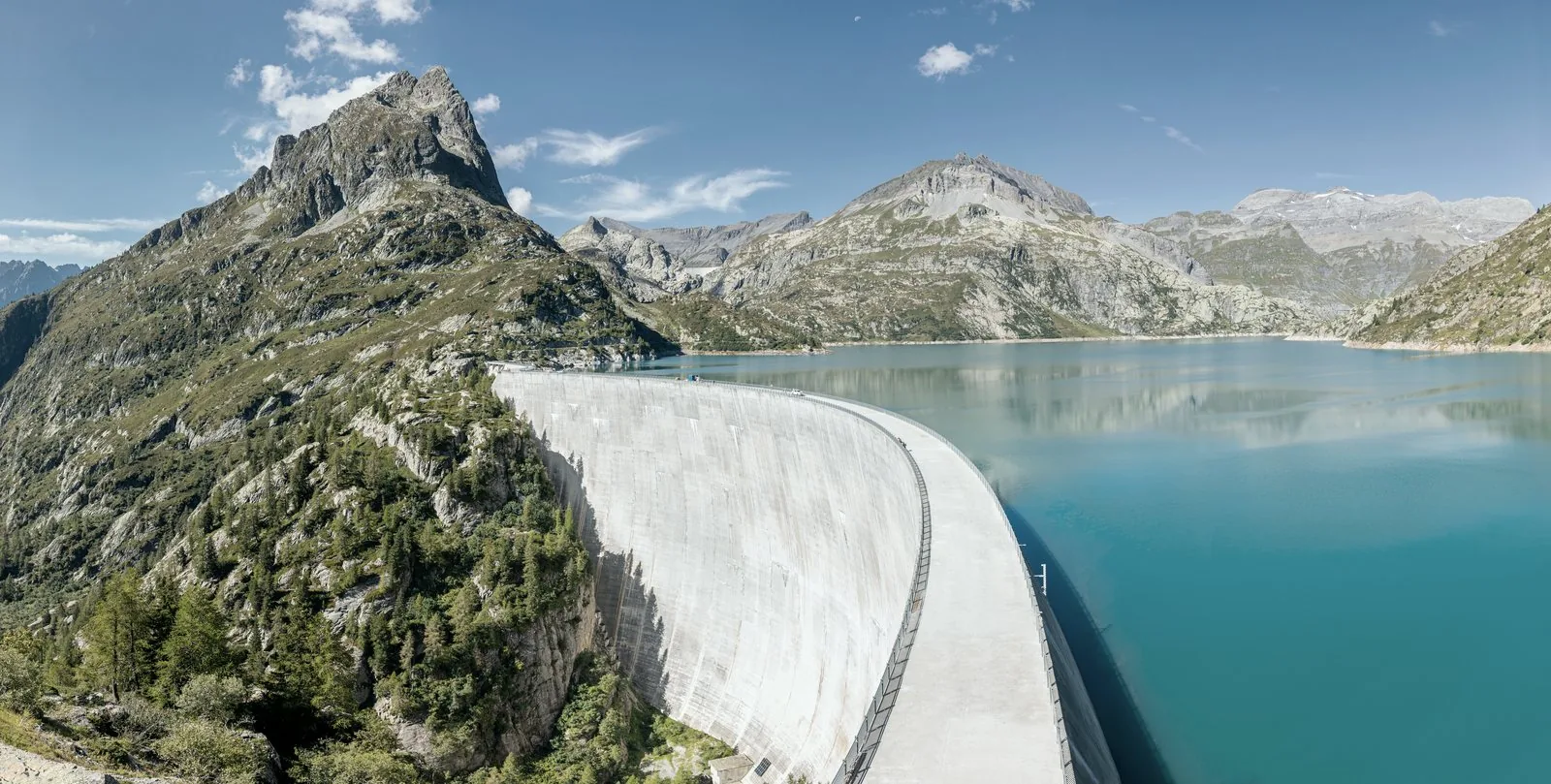
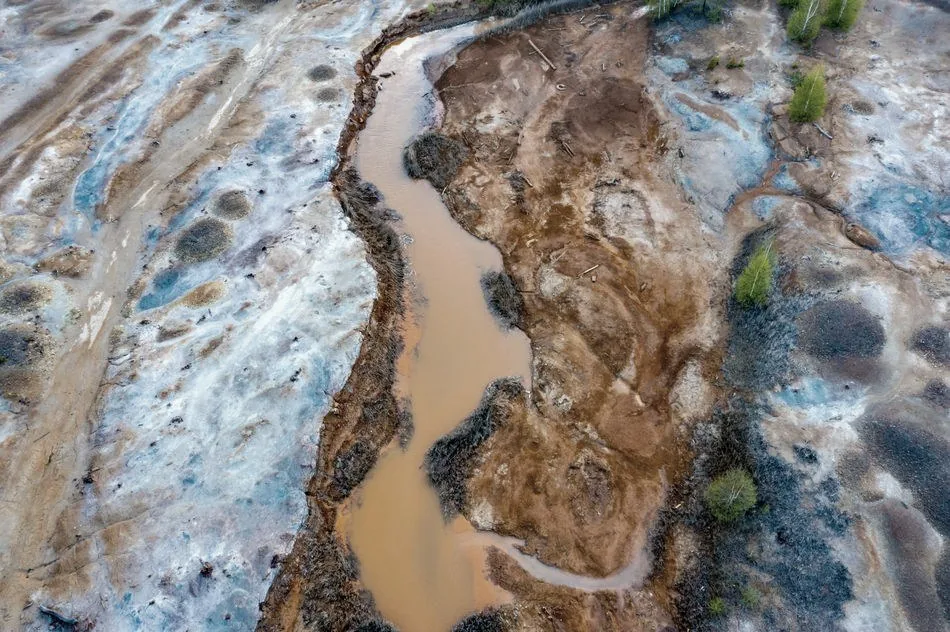
Water Management
We translate hydrological behavior into technical parameters that support projects, drainage, and land use.
View solution →
Regulatory Studies
We produce technical studies that underpin permitting, authorizations, and other regulatory processes.
View solution →
Strategy & Management
We support our clients from planning through operation, providing technical guidance for decisions across the entire project.
View solution →The knowledge behind our decisions.
We share analyses by LZ's technical team on the topics shaping environmental permitting, urban planning, water resources, contaminated land, and environmental management.

Sediment translocation: a successful annual fish conservation project
Multi-Incremental Sampling: greater representativeness, less variability
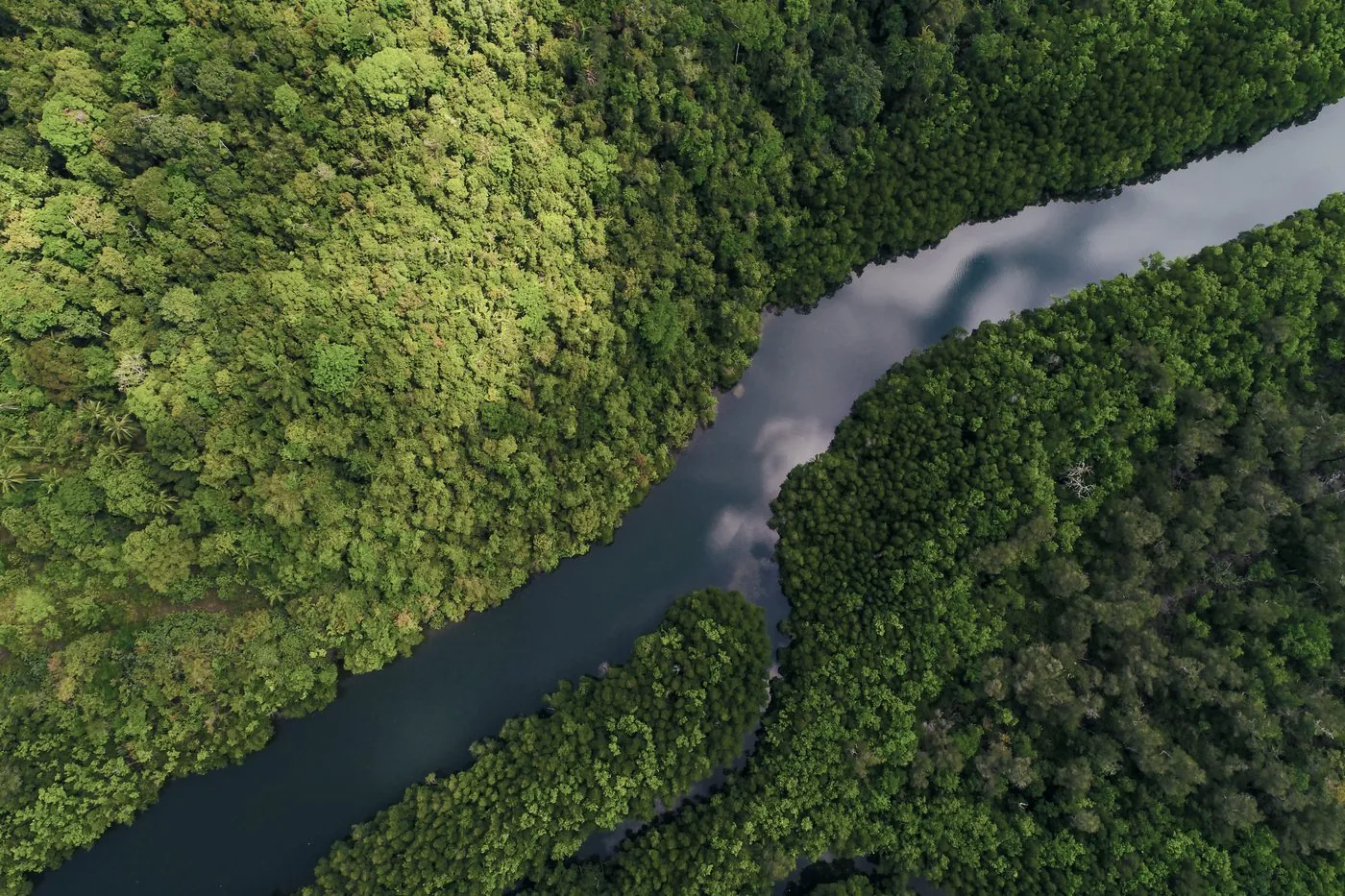
The 2024 floods and the responsibility to revise cities’ hydrological references
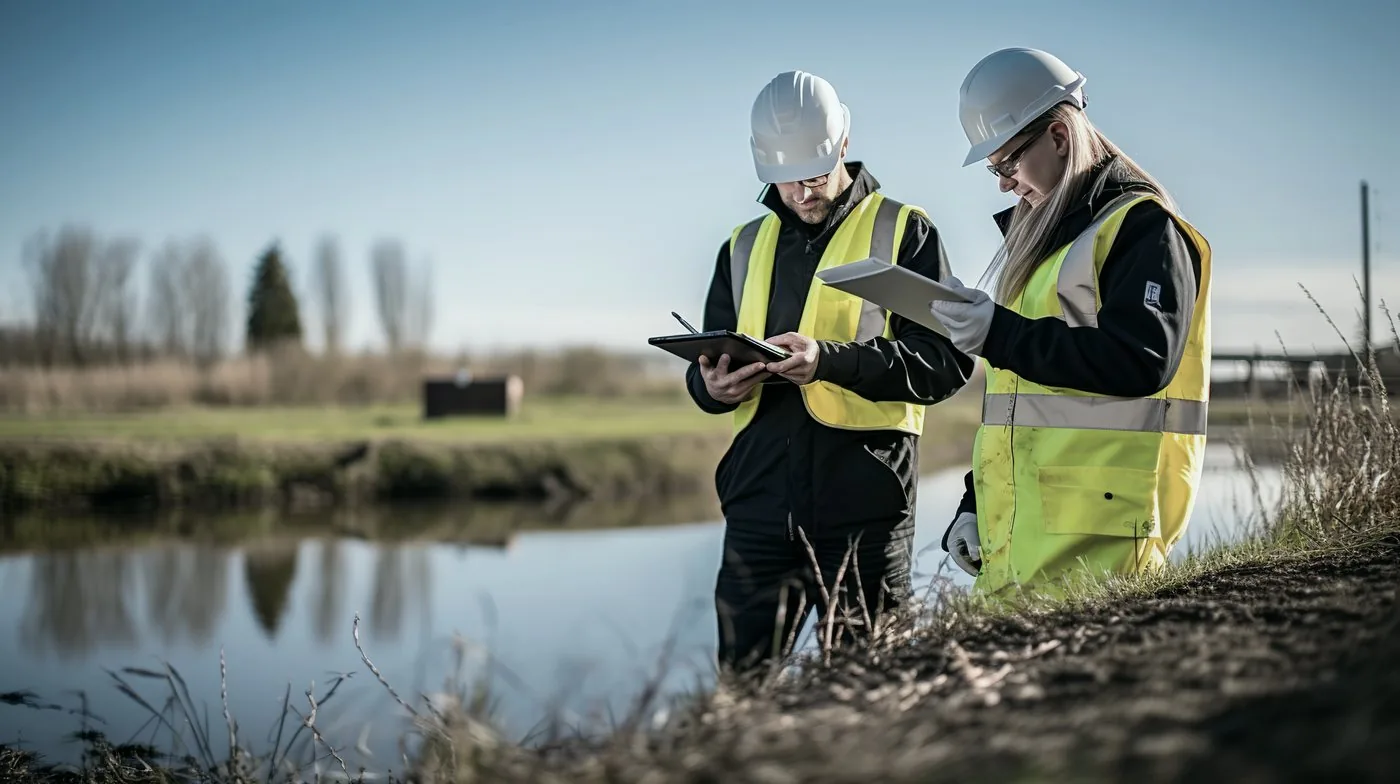
The method used to preserve soil samples for VOC determination can define the future of a site

The city has changed, but have traffic studies kept up?

The new General Environmental Permitting Law: what changes, and what may still change

Mitigating legal risks and environmental due diligence
When the environment enters the balance sheet
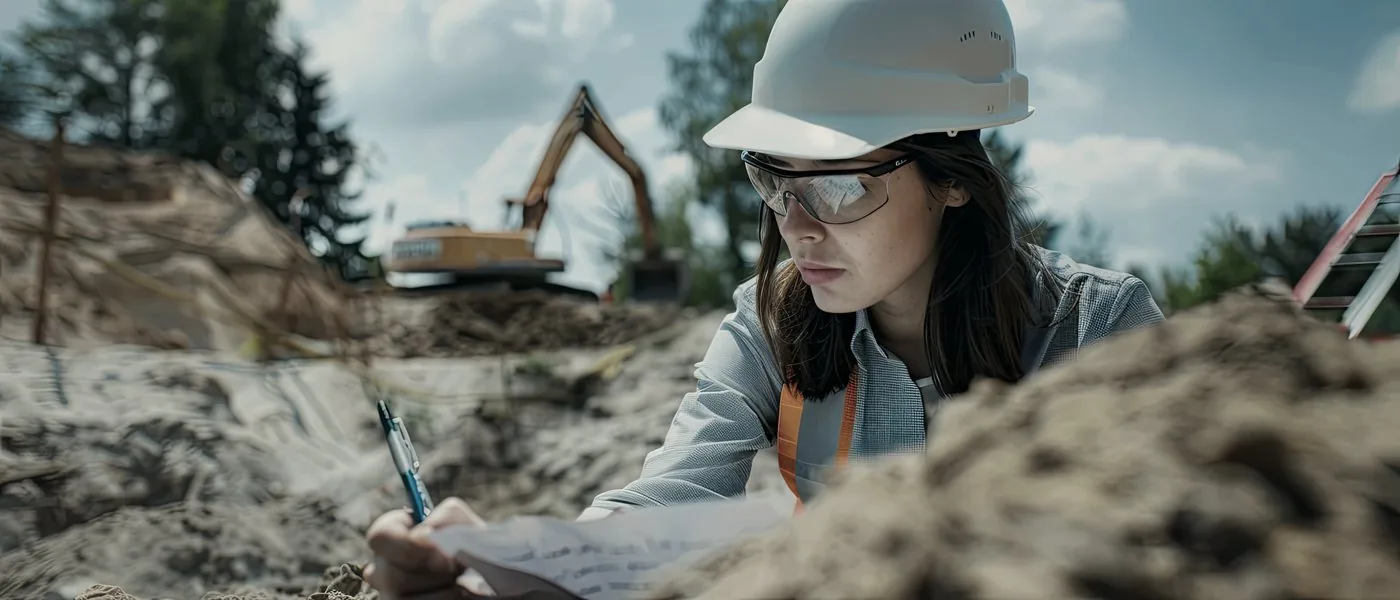
Emerging contaminants in environmental due diligence: the risk can arise before the regulation
From baseline to license: what makes an environmental study technically defensible

The street that also drains: how urban design can reduce flooding

From road diagnosis to microsimulation: the benefits of modeling for decision-making
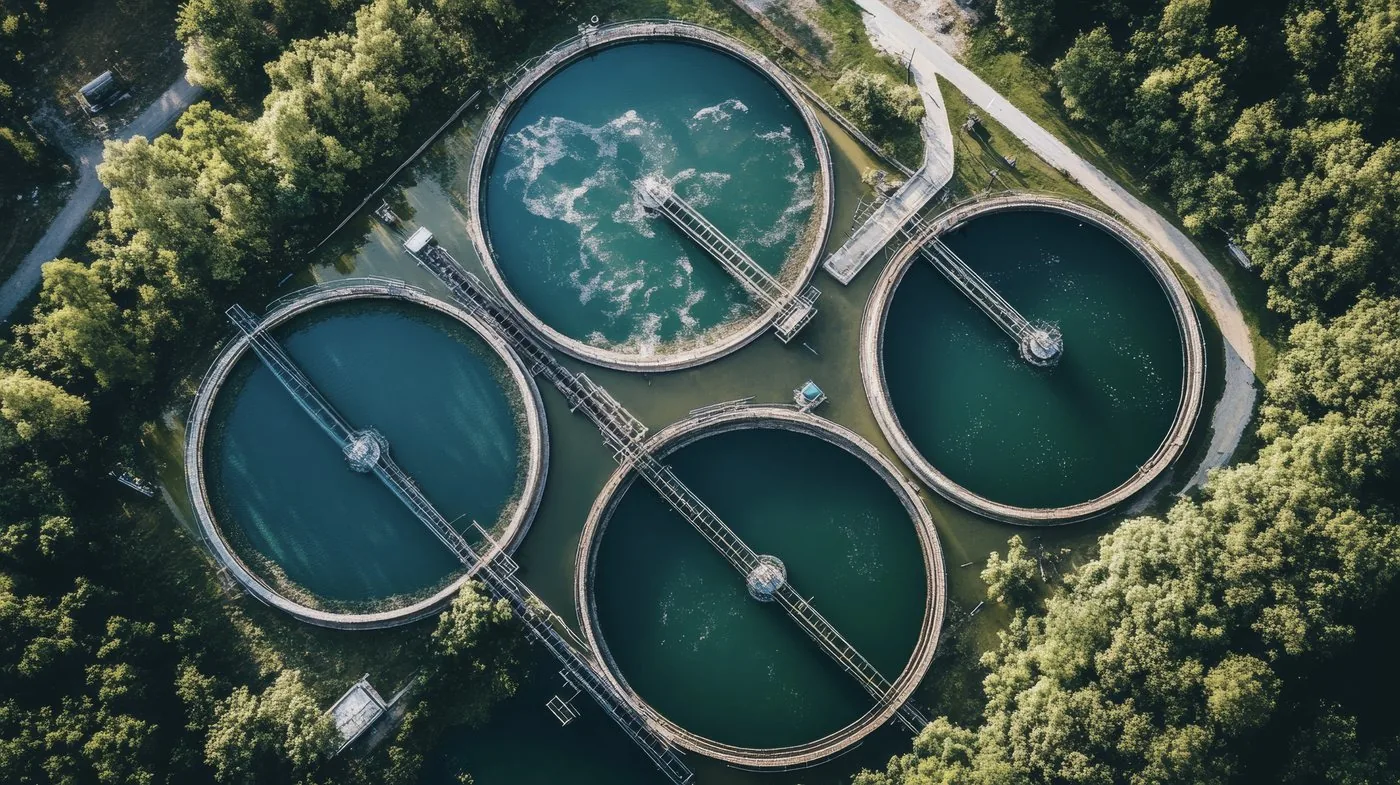
From effluent to receiving water body: how self-purification studies guide decisions on treatment and discharge
Every project presents
unique challenges.
Understanding the context, assessing risks, and defining the right technical strategy are the first steps toward safer decisions. If your company is looking for a team prepared to support that process with independence, an integrated view, and technical rigor, let's talk.
Start a conversation →